
Keeping a refrigerator cold during camping trips, outages, or remote stays requires more than a high wattage rating. You need a portable solar setup that balances panel output, battery capacity, inverter performance, portability, and compatibility with your refrigerator’s startup demands.
We selected 10 options ranging from compact DC refrigerator panels to complete solar-generator kits, so you can match your available space, runtime expectations, and budget with a practical power solution.
Best 10 Portable Solar Panels for Refrigerators Picks for 2026
Best High-Capacity Kit

- 2,042Wh capacity with 2,200W AC output
- Includes two 200W solar panels
- 20ms UPS switching and LiFePO4 battery
Best For: Extended refrigerator backup and home outages
Best Balanced Refrigerator Backup

- 1,024Wh capacity and 1,800W output
- Includes a 220W bifacial solar panel
- Under-10ms UPS and LiFePO4 battery
Best For: Short outages, camping, and everyday refrigerator support
Best Whole-Home Capacity
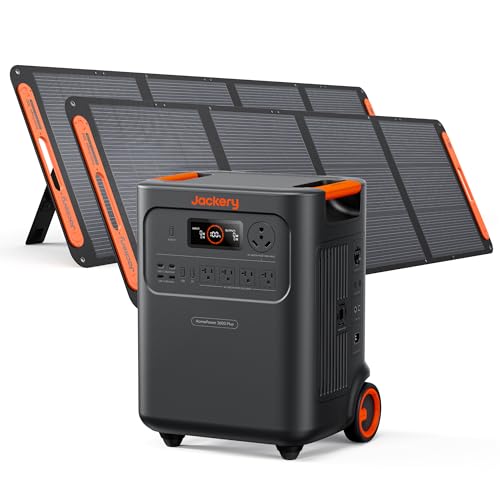
- 3,584Wh capacity and 3,600W output
- Includes two 200W solar panels
- Wheels and handle improve portability
Best For: Extended home backup with refrigerator and appliance loads
Best Foldable Panel Add-On
Renogy 200W Portable Solar Panel

- 25% efficient N-Type solar cells
- Folds compactly and weighs about 13.9 pounds
- MC4 output plus USB charging ports
Best For: Adding solar input to a compatible refrigerator backup system
Best for Whole-Home Backup

- 3,072Wh capacity with 3,600W AC output
- Includes two 200W solar panels
- UPS switches within 20ms
Best For: Extended refrigerator and home backup
Best Standalone Panel
BougeRV 100W Foldable Solar Panel

- 100W N-Type panel with up to 25% efficiency
- Includes XT60, DC7909, and DC5521 connectors
- Foldable, IP65-rated, and includes an 8.2-foot cable
Best For: Adding solar charging to a compatible battery system
Best Portable Mid-Size Kit
Jackery Solar Generator 1000 v2

- 1,024Wh battery with 1,500W AC output
- Includes a 200W solar panel
- 23.4-pound design with 10ms UPS
Best For: Portable refrigerator backup and outdoor trips
High-Output Choice
Twelseavan 400W Foldable Solar Panel

- Up to 400W output and 24% efficiency
- Multiple adapters for popular power stations
- Foldable, IP65-rated outdoor design
Best For: RV and emergency power-station setups
Direct Fridge Option
Bewinner 50W Refrigerator Solar Panel
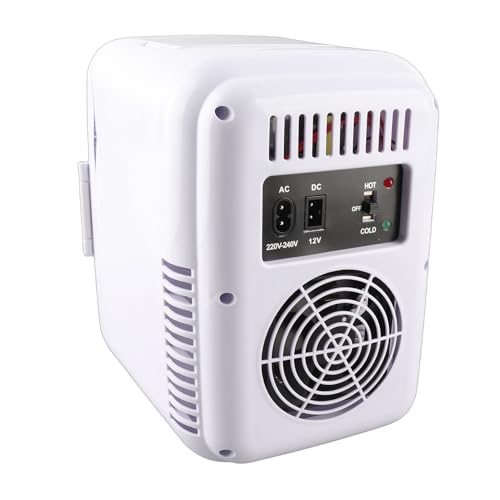
- 50W monocrystalline panel with DC18V output
- Includes battery box and connector cable
- Compact setup for outdoor portable cooling
Best For: Compatible DC18V coolers and mini refrigerators
Balanced Power Pick
SOKIOVOLA 200W Foldable Solar Panel

- 200W output with 25.5% efficiency
- Compact foldable design with carrying handle
- IP68 protection and multiple power-station connectors
Best For: RV and camping refrigerator backup via power stations
Best High-Capacity Kit – Jackery Explorer 2000 v2
The Jackery Explorer 2000 v2 kit combines a 2,042Wh battery with two 200W solar panels, making it a strong choice among portable solar panels for refrigerators when you need substantial backup capacity. Its 2,200W AC output, LiFePO4 battery, and 20ms UPS switching support refrigerator backup alongside other household or camping devices.
Best For: Home outages, extended camping trips, and users who want refrigerator backup with extra capacity for additional appliances.
Pros:
- Large 2,042Wh capacity and 2,200W AC output.
- Includes two 200W solar panels with an approximately six-hour solar recharge time.
- 20ms UPS switching helps maintain power during interruptions.
- LiFePO4 battery is rated for up to 10 years of performance.
Cons:
- The complete kit weighs 66.8 pounds.
- Solar-panel connection requires using the correct straight DC8020 plug.
- Its larger capacity may be more than needed for short refrigerator outages.
Choose this Jackery when runtime and backup flexibility matter more than minimum size. It is particularly well suited to keeping a refrigerator supported while still leaving power available for other essential electronics.
Best Balanced Refrigerator Backup – EcoFlow DELTA 3 Classic
The EcoFlow DELTA 3 Classic pairs a 1,024Wh power station with a 220W bifacial solar panel, offering a practical middle ground among portable solar panels for refrigerators. Its 1,800W output, 3,600W surge capacity, and under-10ms UPS switching are designed for refrigerators and other everyday electronics.
Best For: Shorter outages, camping, and shoppers seeking a manageable solar generator for a refrigerator and smaller devices.
Pros:
- 1,800W AC output with 3,600W surge capacity for demanding startup loads.
- 220W bifacial panel can recharge the station in about 5.8 hours under stated conditions.
- Under-10ms UPS switching helps reduce interruptions.
- LiFePO4 cells are rated for more than 10 years of daily use.
Cons:
- The 1,024Wh capacity offers less stored energy than the larger Jackery kits.
- The power station and solar panel may arrive separately.
- One 220W panel may provide slower recovery during limited sunlight.
This EcoFlow is a sensible option when you want refrigerator-capable output without stepping up to a multi-kilowatt-hour system. Consider a larger battery if you need longer runtime between sunny charging periods.
Best Whole-Home Capacity – Jackery HomePower 3600 Plus
The Jackery HomePower 3600 Plus is the high-capacity choice in this roundup, combining 3,584Wh of storage with two 200W solar panels. For portable solar panels for refrigerators, its 3,600W output, expandable battery system, and rolling luggage-style design make it suitable for extended home backup.
Best For: Households that want to run a refrigerator alongside multiple essential appliances during prolonged outages.
Pros:
- Large 3,584Wh capacity with expansion potential up to 21kWh per unit.
- 3,600W output supports heavier household loads.
- Solar charging is listed at about four hours under stated conditions.
- Wheels and a telescopic handle simplify movement around the home.
Cons:
- At 77.2 pounds, it is the heaviest option here.
- Its home-backup capacity may be excessive for occasional short outages.
- Some dual-voltage and parallel capabilities depend on additional setup or equipment.
This is the strongest fit when refrigerator protection is part of a broader home-backup plan. Its large reserve and high output provide more flexibility, though the size and weight make it less convenient for casual portable use.
Best Foldable Panel Add-On – Renogy 200W Portable Solar Panel
The Renogy 200W Portable Solar Panel is a panel-only option for shoppers who already own a compatible power station. Its 25% efficiency, foldable design, and MC4 output make it a useful addition when building a portable solar panel setup for refrigerators.
Best For: Existing power-station owners who need a lightweight, portable 200W panel for camping, RV use, or blackout charging.
Pros:
- 25% efficiency from N-Type monocrystalline cells.
- Folds to 23.72 by 22.99 by 1.97 inches and weighs about 13.9 pounds.
- Four kickstands support adjustable positioning at 40°, 50°, or 60°.
- USB-C PD and dual USB-A ports can charge smaller devices directly.
Cons:
- It is a solar panel only and does not include a battery or AC inverter.
- MC4 output is provided; the 4-in-1 adapter is sold separately.
- A single 200W panel may recharge refrigerator backup equipment slowly in poor sunlight.
This Renogy panel makes the most sense as part of an existing refrigerator backup system rather than as a standalone solution. Verify your power station’s voltage, connector, and adapter requirements before buying.
Best for Whole-Home Backup – Jackery HomePower 3000
For shoppers seeking portable solar panels for refrigerators, the Jackery HomePower 3000 is a high-capacity solar generator bundle designed for extended backup. Its 3,072Wh battery, 3,600W AC output, and included 2 x 200W SolarSaga panels provide substantial power for refrigerators and other household essentials.
Best For: Home emergency backup, larger refrigerators, and users who need multiple outlets and long runtime.
Pros:
- 3,072Wh capacity and 3,600W output can support a refrigerator and other essentials.
- Included dual 200W solar panels support solar recharging.
- UPS switching within 20ms helps keep essential equipment running during outages.
- LiFePO4 battery is rated for 4,000 cycles while retaining 70% capacity.
Cons:
- At 59.5 pounds, it is less convenient to move than smaller power stations.
- The larger capacity and output may be more than needed for occasional portable use.
This is the strongest option here for refrigerator backup measured by capacity and output. Choose it when extended outage coverage matters more than minimizing size and weight.
Best Standalone Panel – BougeRV 100W Foldable Solar Panel
The BougeRV 100W is a practical choice for shoppers comparing portable solar panels for refrigerators and compatible battery systems. Rather than including a power station, it supplies solar input through XT60, DC7909, and DC5521 connectors, making it useful with compatible BougeRV fridge batteries and many power stations.
Best For: Campers and RV users who already own a compatible battery or portable refrigerator power system.
Pros:
- N-Type cells are rated for up to 25% conversion efficiency.
- Foldable design and built-in handles simplify transport.
- Includes an 8.2-foot extension cable for flexible panel placement.
- IP65 water and dust resistance supports outdoor use.
Cons:
- Its 100W output is substantially smaller than the bundled solar-generator systems.
- It does not include a battery or power station, so compatibility must be checked before purchase.
This panel is best viewed as a lightweight solar input accessory, not a complete refrigerator backup solution. It makes sense when you already have a compatible battery and want a portable panel for daylight recharging.
Best Portable Mid-Size Kit – Jackery Solar Generator 1000 v2
The Jackery Solar Generator 1000 v2 combines a 1,024Wh LiFePO4 power station with a 200W solar panel, giving shoppers a more portable option for powering a refrigerator during shorter outages or outdoor trips. Its 1,500W output and 3,000W surge rating are designed to handle appliances including fridges, while the 23.4-pound body is easier to carry than larger systems.
Best For: Camping, road trips, and refrigerator backup when portability is more important than maximum runtime.
Pros:
- 1,500W AC output and 3,000W surge capacity support refrigerators and other appliances.
- Includes a 200W solar panel and a 1,024Wh LiFePO4 battery.
- 10ms UPS switchover helps protect connected essentials during outages.
- Compact 23.4-pound design includes a foldable handle.
Cons:
- Its 1,024Wh capacity offers less refrigerator runtime than the HomePower 3000.
- The 50-minute emergency charging mode must be enabled through the Jackery app.
- Solar charging speed and refrigerator runtime will vary with sunlight and appliance demand.
This kit offers a useful middle ground between a small standalone panel and a heavy home-backup system. It is a sensible pick for mobile use or shorter outages, provided its capacity matches your refrigerator’s consumption.
High-Output Choice – Twelseavan 400W Foldable Solar Panel
For shoppers comparing portable solar panels for refrigerators, the Twelseavan 400W panel is a high-output option for charging a compatible portable power station that can then run a refrigerator. Its 24% efficiency, foldable design, adjustable kickstands, and multiple adapters make it practical for camping, RV use, and emergency backup.
Best For: RV owners and campers who need substantial solar input for a compatible power station.
Pros:
- Up to 400W output with 24% conversion efficiency in strong sunlight.
- Includes an 8-in-1 connection setup for several power-station brands.
- Foldable 22-pound design with magnetic handle and four adjustable kickstands.
- IP65-rated, ETFE-laminated construction for outdoor use.
Cons:
- Its 46.9V open-circuit voltage is not suitable for small power stations that cannot accept it.
- At about 22 pounds, it is less convenient for extended backpacking.
- The panel charges a compatible power station rather than connecting directly to every refrigerator.
This is the strongest fit when refrigerator backup is part of a larger power-station setup. Confirm your station’s maximum supported voltage before purchasing, especially if you plan to use it for a compact refrigerator.
Direct Fridge Option – Bewinner 50W Refrigerator Solar Panel
The Bewinner 50W panel is a compact choice among portable solar panels for refrigerators, designed around a DC18V solar-powered fridge setup. It includes a battery box and connector cable, making it more focused on portable cooling than on charging a large general-purpose power station.
Best For: Car campers, boat owners, and tailgaters using a compatible small DC refrigerator or cooler.
Pros:
- Provides 50W of power with a stated DC18V output.
- Includes a battery box and connector cable for the cooler setup.
- Compact, lightweight refrigerator design with a built-in handle.
- Intended for outdoor use in conditions including rain, heat, and cold.
Cons:
- Its 50W capacity is substantially lower than the other panels in this roundup.
- Compatibility is centered on the specified DC18V refrigerator system.
- The listing provides limited detail about included components beyond the stated battery box and cable.
Choose this model when you want a compact, refrigerator-oriented setup rather than a high-capacity solar generator solution. Verify that your refrigerator matches the required voltage and connector before ordering.
Balanced Power Pick – SOKIOVOLA 200W Foldable Solar Panel
The SOKIOVOLA 200W panel offers a middle ground for portable solar panels for refrigerators: enough stated capacity to recharge a compatible power station while remaining more manageable than larger 400W panels. Its 25.5% efficiency, compact folded size, and broad connector selection suit RV, camping, and blackout-preparedness setups.
Best For: Campers and RV users who want a portable panel for a refrigerator-powered station without moving to a 400W model.
Pros:
- Up to 200W output with stated 25.5% conversion efficiency.
- Includes MC4-to-five-connector cable for several popular power stations.
- Folds to approximately 21 by 23 inches and includes a magnetic handle.
- ETFE coating and an IP68 waterproof rating support outdoor use.
Cons:
- Power-station input limits may prevent the system from using the panel’s full output.
- At roughly 16 pounds, it may be heavy for long hikes or backpacking.
- It is intended to feed compatible power stations, not every refrigerator directly.
This panel is a practical compromise for refrigerator backup when portability and useful charging capacity both matter. Check your power station’s maximum solar input and connector requirements before buying.
How We Picked the Best Portable Solar Panels for Refrigerators
We focused on usable refrigerator power rather than panel wattage alone. The lineup includes complete solar generators with panels, standalone folding panels for existing power stations, and compact direct-use panels for small DC coolers. We compared battery capacity, inverter output, solar input, portability, connector compatibility, weather resistance, and stated conversion efficiency.
Because refrigerators can draw substantially more power when their compressors start, complete systems with adequate surge capacity received particular consideration. Actual performance will vary with refrigerator size, ambient temperature, sunlight, shading, panel angle, and battery condition.
Quick Comparison
- Best for extended backup: Jackery HomePower 3600 Plus kit, with a large 3,584Wh battery and high AC output.
- Best balanced option: Jackery Explorer 2000 v2 kit, combining substantial capacity with a more manageable size.
- Best midrange solar generator: EF ECOFLOW DELTA 3 Classic kit, offering 1,024Wh of storage in a versatile package.
- Best compact generator kit: Jackery Solar Generator 1000 v2, suited to smaller refrigerators and shorter outages.
- Best standalone panel: Renogy’s 200W portable panel for users who already own a compatible power station.
- Best small DC-fridge panel: Bewinner’s 50W panel for compatible mini refrigerators and battery-box setups.
Key Buying Factors for Portable Solar Panels for Refrigerators
Battery Capacity and Runtime
Panel output replenishes a battery, but battery capacity determines how long the refrigerator can operate after clouds or darkness. For emergency backup, prioritize watt-hours and estimate the refrigerator’s real daily consumption instead of relying only on its advertised running wattage.
Inverter Output and Compressor Startup
AC refrigerators need an inverter with enough continuous output and surge capacity for compressor startup. A system that matches the refrigerator’s average draw may still shut down if it cannot handle the initial surge.
Solar Input and Real-World Conditions
Higher panel wattage can shorten recharge time, but rated output assumes strong, direct sunlight. Foldable panels are convenient, while larger multi-panel kits are better when you have clear outdoor space. Look for durable weather-resistant construction and a connector that matches your power station.
Portability and Refrigerator Type
For a full-size refrigerator, a solar generator kit is generally more practical than a small standalone panel. Compact DC refrigerators and coolers may work with lower-wattage panels, provided voltage, connector polarity, and battery requirements are correct.
Who Should Buy Which Portable Solar Panels for Refrigerators?
Choose a high-capacity Jackery HomePower system if you need longer outage coverage or want to run additional essentials. The Explorer 2000 v2 and DELTA 3 Classic are better fits for shoppers seeking a balance of refrigerator support, portability, and cost. A 1,000Wh-class kit works well for short interruptions, camping, and smaller refrigerators.
If you already own a compatible power station, select a 200W or 400W folding panel based on your recharge-space and speed requirements. For a compact DC cooler, the 50W Bewinner option may be appropriate, but verify electrical specifications before connecting it. Whichever system you choose, measure your refrigerator’s consumption and confirm every voltage, connector, and output rating before purchase.