
A battery monitor can help you spot voltage drops before they become a no-start problem. If you need more than a live reading, data logging lets you review what happened while the vehicle or system was parked, charging, or under load.
These seven picks span compact Bluetooth monitors for vehicle batteries and more advanced DC meters for tracking current and power. The right choice depends on what you need to measure—and how you want to access the history.
Best 7 Battery Monitors with Data Logging Picks for 2026
Best for Everyday Drivers
ANCEL BM200 12V Bluetooth Battery Monitor

- 70 days of stored history
- Cranking and charging tests
- Supports up to four app-connected devices
Best For: 12V vehicle owners who want Bluetooth alerts and battery trends
Best for Mixed-Voltage Fleets
ANCEL BM300 Pro Bluetooth Monitor
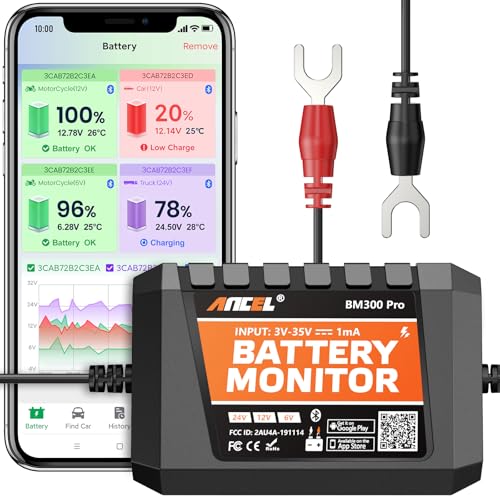
- Supports 6V, 12V, and 24V systems
- 72-day trend history
- Monitors up to four batteries
Best For: Owners of vehicles with different battery voltages
Best for Remote System Tracking
PowerMon-W WiFi DC Power Meter
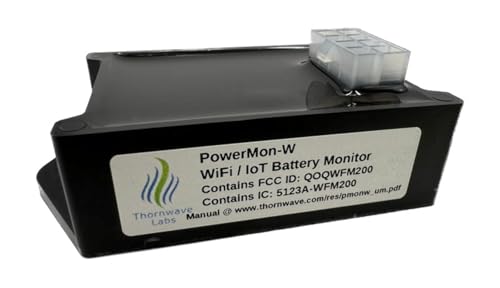
- Up to three years of data history
- WiFi access over the internet
- Supports external-shunt current measurement
Best For: DC system owners needing remote monitoring and long-term logs
Best for Exportable Trip Records
BM6 12V Bluetooth Battery Monitor

- 30-day onboard log
- Excel trip exports
- Four-battery app dashboard
Best For: 12V vehicle owners who want exportable trip records
Best for System Control
PowerMon-5S Bluetooth Battery Monitor
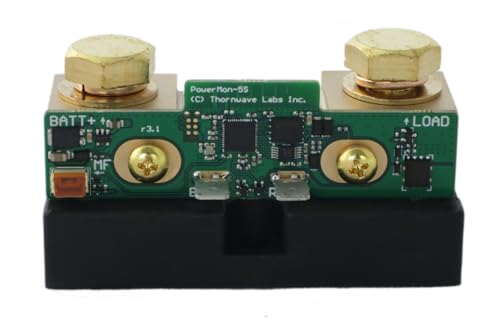
- Up to 32V and 500A
- Up to three years of stored history
- Bluetooth LE and relay-control capability
Best For: 12V or 24V systems needing logs and configurable control
Best for 12V Vehicle Checks

- App-based voltage and starting checks
- Lists driving times
- Low-voltage alert within Bluetooth range
Best For: 12V vehicle owners checking battery and starting behavior
Best for On-Screen Trends
500A Shunt Monitor with IPS Display

- Stated 0–420V, 500A range
- IPS screen shows values and charts
- Stores statistics and peak records
Best For: Setups needing local trend viewing and capacity alarms
Best for Everyday Drivers – ANCEL BM200 12V Bluetooth Battery Monitor
For drivers comparing battery monitors with data logging, the ANCEL BM200 pairs 12V battery checks with a two-minute recording interval and up to 70 days of stored history. Its app also shows cranking and charging tests, trip records, and alerts for abnormal voltage.
Best For: Drivers who want a Bluetooth monitor for a 12V car, motorcycle, RV, or boat.
Pros:
- Logs battery data every two minutes and stores up to 70 days of history.
- Provides cranking and charging tests alongside real-time alerts.
- Supports lead-acid and lithium batteries and displays up to four devices in the app.
Cons:
- Designed for 12V batteries, not 6V or 24V systems.
- Bluetooth access is specified at roughly 15–30 feet, so it is not a remote internet monitor.
The BM200 is a practical choice for watching trends between drives; choose a wider-voltage or internet-connected model if those are priorities.
Best for Mixed-Voltage Fleets – ANCEL BM300 Pro Bluetooth Monitor
The ANCEL BM300 Pro stands out among battery monitors with data logging because it covers 6V, 12V, and 24V systems and offers 72-day trend history. The app can display up to four batteries, making it useful when your vehicles do not all share the same electrical system.
Best For: Owners managing classic cars, daily drivers, RVs, or other vehicles with different battery voltages.
Pros:
- Auto-detects 6V, 12V, and 24V systems and supports common lead-acid and lithium-ion batteries.
- Provides up to 72 days of history plus voltage, estimated state-of-charge, and temperature readings.
- Offers Bluetooth 5.3, phone alerts, and IP67 sealing.
Cons:
- On 6V systems, monitoring is limited to voltage and estimated state of charge.
- Bluetooth connectivity does not provide internet access to readings.
Its broad voltage compatibility is the main reason to choose it over a 12V-only monitor, especially if you want one app view for several batteries.
Best for Remote System Tracking – PowerMon-W WiFi DC Power Meter
PowerMon-W - WiFi/IoT Advanced Battery Monitor/DC Power Meter with Data Logging
Check Price On AmazonPowerMon-W is the more configurable option for shoppers seeking battery monitors with data logging: it offers internet-accessible WiFi monitoring and can store up to three years of data history. It works in 12V, 24V, and 48V systems at operating voltages up to 65V.
Best For: Users who need remote access and long-term records for a DC battery system.
Pros:
- Stores up to three years of logged data.
- Supports WiFi access over the internet and fully configurable settings.
- Can measure over 1,000A with an external shunt and drive a relay for disconnects or generator start.
Cons:
- The required external shunt for current measurement is sold separately.
- Relay-based control requires a suitable relay and system setup.
Choose PowerMon-W when longer records, current measurement, and automation matter more than a simple clip-on vehicle battery check.
Best for Exportable Trip Records – BM6 12V Bluetooth Battery Monitor
The BM6 is a useful pick among battery monitors with data logging if you want trip records you can export to Excel. It records voltage, charge, and temperature every two minutes, keeps 30 days on the device, and retains additional history in the app.
Best For: 12V vehicle owners who want battery alerts, trip exports, and a view of multiple batteries.
Pros:
- Stores 30 days of onboard readings, with app history and Excel trip exports.
- Displays up to four batteries and sends app alerts when voltage or charge leaves a set range.
- Checks starting and charging performance and has an IP67-rated housing.
Cons:
- Despite its 6V–20V input specification, it is presented as a 12V battery monitor; stated ±0.03V accuracy applies from 9V to 16V.
- Access to live readings uses Bluetooth rather than internet connectivity.
Its export option is the clearest differentiator for anyone who wants to review trip data outside the app, while the 30-day onboard log helps preserve readings between connections.
Best for System Control – PowerMon-5S Bluetooth Battery Monitor
PowerMon-5S - 500A Bluetooth LE Advanced Battery Monitor/DC Power Meter with Data Logging
Check Price On AmazonAmong battery monitors with data logging, the PowerMon-5S stands out for combining a 500A integrated shunt with Bluetooth LE configuration and up to three years of stored history. It operates at up to 32V for 12V and 24V systems.
Best For: 12V or 24V setups that need current tracking, long-term records, and relay-based control.
Pros:
- Integrated high-precision shunt measures up to 500A.
- Stores up to three years of data history.
- Can drive a relay for disconnect, battery-protection, or generator-start functions.
Cons:
- Its stated operating range tops out at 32V.
- Relay-control capability may be more than a basic voltage-checking setup needs.
Choose this model when logging history and configurable control matter as much as seeing current draw; check that your system stays within its voltage and current limits.
Best for 12V Vehicle Checks – BM2 Bluetooth Battery Monitor
For shoppers comparing battery monitors with data logging for a 12V vehicle, the BM2 offers app-based battery checks and a list of driving times. It also reports voltage, charging, and cranking information, making it a practical choice for monitoring starting-battery behavior.
Best For: Owners of 12V cars, RVs, motorcycles, trucks, or boats who want Bluetooth battery-status and starting-system checks.
Pros:
- Free iOS and Android app displays battery, charging, and starting information.
- Automatically detects engine starting and lists driving times.
- Low-voltage alert activates when you enter Bluetooth range, stated as 10 meters.
Cons:
- Designed for 12V vehicle batteries, not 24V systems.
- The supplied notes do not specify a long-term log-retention period or a current-measuring shunt.
The BM2 is better suited to convenient vehicle-battery checks than detailed current or capacity tracking. Pick it if app access to voltage and starting information is your priority.
Best for On-Screen Trends – 500A Shunt Monitor with IPS Display
If you prefer a dedicated screen over phone-based viewing, this is one of the battery monitors with data logging features to consider. Its IPS display presents live values and charts, while its storage features include charging and discharging statistics and peak records by day, month, and year.
Best For: Battery or DC-power setups that need an on-screen view of trends across the product’s stated 0–420V, 500A range.
Pros:
- Displays numerical readings and charts on an IPS color screen.
- Provides charging and discharging statistics, peak records, and data storage.
- Shunt includes high- and low-capacity alarms.
Cons:
- Requires a physical display and shunt installation rather than offering a Bluetooth app in the supplied notes.
- The notes do not state a specific data-retention duration.
This model makes the most sense when you want to inspect battery trends at the installation itself. Confirm your wiring and mounting needs before choosing it for a high-voltage setup.
How We Picked These Battery Monitors with Data Logging
We considered the selected models by their stated voltage and current ranges, logging features, connection methods, and installation requirements. A clip-on or terminal-mounted Bluetooth monitor serves a different purpose from a shunt-based DC meter, so this roundup includes both rather than treating them as interchangeable. We also looked for practical features such as alerts, cranking and charging tests, and ways to view past readings. Confirm app compatibility and current product specifications before ordering, since available functions can vary by model.
Quick Comparison: Which Type Fits Your Setup?
For a typical 12V vehicle battery, the ANCEL BM200, BM6, and BM2 are the most direct starting points: they emphasize phone-based checks and vehicle-oriented battery information. The ANCEL BM300 Pro is worth considering if you work across 6V, 12V, and 24V systems. The PowerMon-W suits buyers who specifically want Wi-Fi/IoT access to DC power data, while the Bluetooth LE PowerMon-5S targets more detailed current and power tracking. The 500A shunt monitor with an IPS screen is an option if you prefer an onboard display and need to evaluate its stated wide voltage range for your installation.
Key Buying Factors for Battery Monitors with Data Logging
Decide What You Need to Measure
Voltage history can help reveal a battery that drains while parked or a charging system that behaves inconsistently. It does not, by itself, show how many amps a device draws. For current, power, or energy tracking, choose a meter designed to measure those values—typically using a shunt—and check that its current rating and wiring requirements suit your system.
Check Logging and Connectivity
Look beyond the phrase “data logging.” Check what is recorded, how far back the history goes, whether readings are stored on the device or in an app, and whether you can export them if that matters to you. Bluetooth is useful for nearby checks but generally requires you to be within range to view or sync data. Wi-Fi features may be more convenient for connected installations, provided you have suitable network access.
Match the Electrical System and Installation
Verify voltage compatibility, battery chemistry support, and environmental protection before buying. A 12V automotive monitor is not automatically suitable for a 24V vehicle or a higher-voltage DC bank. Shunt-based meters also take more planning: confirm where the shunt goes, whether the conductor size fits, and whether installation calls for a qualified technician. Treat app alarms and estimated battery condition as aids, not substitutes for a proper diagnostic test.
Who Should Buy Which Battery Monitors with Data Logging?
Choose a compact Bluetooth model if you mainly want to check a car’s starting battery and review recent voltage behavior. Pick the BM300 Pro if your maintenance work spans its supported voltage classes. Consider a PowerMon model when current and power records matter as much as voltage; choose between Wi-Fi and Bluetooth LE based on how you plan to access the data. If a built-in screen is essential, assess the 500A shunt monitor’s specifications and installation needs first.