
Deer can appear at the edge of a dark road with little time to react. A vehicle-mounted night vision camera may help you notice an animal sooner, but its usefulness depends on the sensor, viewing angle, display, and how you use it.
These seven listings span thermal cameras, multi-camera setups, and a low-light dash cam. Here’s how to compare them for your vehicle and driving conditions.
Best 7 Automotive Night Vision Systems for Deer Detection Picks for 2026
Best for Custom Alerts
Robofinity InsightDrive Thermal Camera

- Claimed detection up to 656 feet
- App-adjustable alert zones
- 6.25-inch touchscreen; 32 GB card included
Best For: Drivers who want configurable animal alerts
Best for Voice Control

- Claimed viewing distance up to 328 yards
- Thermal, visible-light, and fusion modes
- Voice-controlled settings and audible alerts
Best For: Hands-free display adjustments on night drives
Best for Scanning
DARK 30 PTZ 640 Thermal Camera
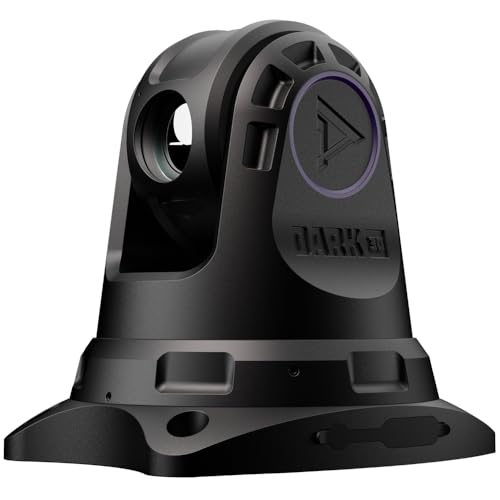
- Continuous 360-degree scan mode
- App or remote operation
- Multiple mounting options
Best For: Scanning around ATVs, UTVs, or trucks
Best for Mixed Vehicle Fleets

- Listed for cars, minivans, RVs, trucks, and buses
- Claimed viewing distance up to 328 yards
- Three viewing modes and AI warnings
Best For: Drivers comparing one model across vehicle types
Best for Multi-Angle Coverage

- Four front, rear, and side views
- Listed thermal and infrared night vision
- AV input for compatible Android displays
Best For: Larger vehicles needing multi-angle visibility
Best for Deer Alerts

- AI alerts include deer
- Claimed detection up to 656 feet
- Dedicated 6.25-inch display
Best For: Drivers seeking explicit deer recognition and alerts
Best for Recording Night Drives
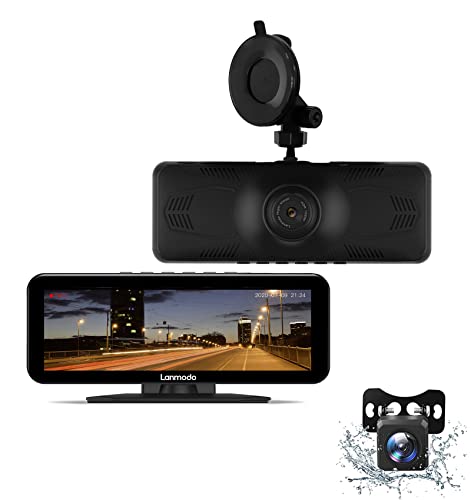
- Low-light front camera and 8-inch display
- IP67-rated rear camera included
- Loop recording with impact locking
Best For: Nighttime road viewing and incident recording
Best for Custom Alerts – Robofinity InsightDrive Thermal Camera
For shoppers comparing automotive night vision systems for deer detection, the Robofinity InsightDrive pairs thermal imaging with AI alerts for animals, pedestrians, and vehicles. Its stated detection range is up to 656 feet, and its 6.25-inch touchscreen gives you a dedicated view of the road ahead.
Best For: Drivers who want to tailor animal-alert zones and recognition settings through a phone app.
Pros:
- Thermal imaging is designed to reveal hazards in darkness and difficult weather.
- App settings let you adjust alert zones and recognition types.
- Includes a 32 GB microSD card and supports cards up to 128 GB.
Cons:
- The listed 40-degree field of view is comparatively narrow.
- The exterior camera requires a hood or front-grille mounting position.
Its configurable warnings are the main draw. Treat the advertised range and detection figures as product claims, not a substitute for watching the road and driving at a safe speed.
Best for Voice Control – Thermal Master NV300 Max
The Thermal Master NV300 Max is an option among automotive night vision systems for deer detection if you want thermal viewing without repeatedly reaching for the display. It offers a stated viewing distance of up to 328 yards, AI warnings for animals and other obstacles, and voice control for display settings.
Best For: Drivers who want hands-free mode adjustments and a choice of thermal, visible-light, or fusion views.
Pros:
- Visual and audible collision warnings use green, yellow, and red alert levels.
- Voice commands can change modes, brightness, volume, and other settings.
- A 6.4-inch adjustable display supports three viewing modes.
Cons:
- The listed infrared resolution is 256 × 192.
- Its external roof-mounted camera needs an appropriate mounting location.
This version stands out for its control options and multiple ways to view the scene. The 328-yard figure is a manufacturer-stated maximum; actual visibility and useful warning time can vary.
Best for Scanning – DARK 30 PTZ 640 Thermal Camera
Dark 30 PTZ 640 Thermal Camera for Vehicle, ATV/UTV/Truck Mounted Night Vision Thermal Camera
Check Price On AmazonThe DARK 30 PTZ 640 takes a different approach to automotive night vision systems for deer detection: it is a rotating vehicle-mounted thermal camera for scanning surroundings, rather than a listed AI deer-alert system. Continuous 360-degree scan mode and adjustable rotation speeds may appeal to ATV, UTV, and truck users who need flexible observation.
Best For: Drivers or operators who want to scan around a vehicle and choose between a wired screen and app viewing.
Pros:
- Continuous 360-degree scan mode covers multiple directions.
- Suction, magnetic, and bolt mounting options support different setups.
- App and physical-remote controls offer two ways to operate the camera.
Cons:
- The notes do not specify automatic deer recognition or collision alerts.
- Continuous scanning is not the same as keeping a fixed view down the road.
Choose this for controllable thermal surveillance, not as a direct replacement for a forward-looking animal-warning display. Its quick-release base and rugged aluminum build make more sense when you plan to move the camera between demanding setups.
Best for Mixed Vehicle Fleets – Thermal Master NV300 Max
For buyers researching automotive night vision systems for deer detection across different vehicle types, this Thermal Master NV300 Max listing specifies compatibility with cars, minivans, RVs, trucks, and buses. It combines a stated viewing distance of up to 328 yards with animal-detection warnings and a 6.4-inch display.
Best For: Drivers considering the same night-vision model for several listed vehicle types.
Pros:
- AI warnings cover animals, pedestrians, vehicles, and other obstacles.
- Visible-light, thermal, and fusion modes offer viewing choices.
- Voice control adjusts settings without using the display controls.
Cons:
- The infrared resolution is listed as 256 × 192.
- The specified roof-mounted, front-exterior camera may require installation planning.
This ASIN describes the NV300 Max with a grey finish and a two-year warranty. Its vehicle-compatibility list is broad, but check mounting space and routing on your particular vehicle before buying.
Best for Multi-Angle Coverage – Husk Masida 360 Camera System
360 car Camera System with Thermal Imaging Night Vision Front Rear and Side View Camera
Check Price On AmazonAmong automotive night vision systems for deer detection, this four-camera setup prioritizes views around a larger vehicle. Its listed thermal imaging and infrared night vision may help you see animals in darkness, but the notes do not specify a detection range or deer alerts.
Best For: Drivers of SUVs, RVs, trucks, or trailers who want front, rear, and side views on a compatible Android display.
Pros:
- Four wide-angle cameras cover front, rear, left, and right views.
- Lists thermal imaging and infrared night vision for dark conditions.
- Uses an AV input on compatible Android car systems or smart rearview mirrors.
Cons:
- No stated deer recognition, alert function, or detection distance.
- Requires a compatible display and camera installation.
Choose this for multi-angle awareness rather than a dedicated deer-warning system. Confirm display compatibility and mounting options before buying.
Best for Deer Alerts – EVIL ENERGY Thermal Camera
For shoppers comparing automotive night vision systems for deer detection, this is the most explicitly deer-focused option here. Its 256×192 thermal sensor has a stated detection range of up to 656 feet, and its AI is designed to identify deer and other listed targets with audio and visual alerts.
Best For: Drivers who want dedicated thermal animal alerts and a separate in-car display for nighttime travel.
Pros:
- AI recognition includes deer, with audio and visual alerts.
- Includes a 6.25-inch display and claims detection up to 656 feet.
- Uses a 12V cigarette-lighter socket rather than requiring wire cutting.
- IP67-rated camera is specified for rain, snow, and fog.
Cons:
- Requires mounting an exterior camera and an in-car display.
- The manufacturer says image sharpness may drift between automatic shutter calibrations.
Its deer-specific alerts make it the clearest match for this use case, though the stated range is not a guarantee of detection in every driving condition.
Best for Recording Night Drives – LANMODO Vast Pro Dash Cam
If you’re weighing automotive night vision systems for deer detection against the need to record a drive, the LANMODO Vast Pro is a camera-based alternative. It pairs a front night-vision camera and 8-inch display with a waterproof rear camera, but the notes do not list thermal sensing or automatic deer alerts.
Best For: Drivers who want an enhanced low-light road view, front and rear footage, and incident recording.
Pros:
- Sony CMOS sensor, F1.0 aperture, and HDR/WDR display options support low-light viewing.
- Includes an IP67-rated rear camera and an 8-inch display.
- Loop recording and an adjustable G-sensor help preserve impact footage.
Cons:
- No stated deer identification or warning alerts.
- Uses camera-based night vision rather than thermal imaging.
- MicroSD card is not included.
This is better suited to viewing and documenting a night drive than actively flagging deer. Treat its advertised 1,350-foot night-vision range as a product claim, not a promise that animals will be visible at that distance.
How We Picked the Best Automotive Night Vision Systems for Deer Detection
We compared the selected listings by imaging approach, vehicle-mounting format, likely field of view, and the practical demands of watching a display while driving. The list includes thermal cameras, a multi-camera system, and a low-light dash cam. It also lists the Thermal Master NV300 Max twice, so the seven listings do not represent seven distinct models. Product names and advertised range claims are not proof of deer-detection performance; check current specifications and installation requirements before buying.
Quick Comparison: Which Type Fits Your Drive?
- Forward-facing thermal camera: The starting point for looking for deer on dark roads. Thermal imaging detects heat contrast without visible headlights, though conditions and image quality still affect what you can identify.
- PTZ thermal camera: A pan-tilt-zoom option can be useful on an ATV, UTV, or truck at low speeds. Confirm its controls, mount stability, and whether its field of view suits road use.
- Multi-camera thermal system: Front, rear, and side views may suit maneuvering or off-road use, but extra views add installation complexity and can distract from the forward road.
- Low-light color dash cam: Useful for recording illuminated scenes; it is not a substitute for thermal imaging when deer are beyond headlight reach or in deep shadow.
Key Buying Factors for Automotive Night Vision Systems for Deer Detection
Detection Versus Recognition
Spotting a warm shape is different from recognizing it as a deer. Look for credible, clearly defined range information rather than assuming an advertised maximum applies to deer on your route. Sensor resolution, lens angle, image processing, weather, and nearby heat sources all influence the result. A wider view covers more roadside area; a narrower view can show a distant object in more detail but may miss movement at the edges.
Mounting, Display, and Power
Check whether the camera can be mounted securely without blocking the windshield, headlights, or vehicle sensors. Verify cable routing, power compatibility, display placement, and whether the setup requires professional installation. A screen should be readable at a glance without drawing your attention away from the road. Confirm any recording and rear-camera features separately if those matter to you.
Real-World Limitations
Thermal cameras can reveal heat contrast, but they cannot guarantee identification or a safe stopping distance. Rain, fog, road spray, dirty lenses, and viewing through ordinary glass can limit performance. Test the installed system in a safe setting, keep driving at a speed appropriate for your headlights and conditions, and never rely on a camera instead of watching the road.
Who Should Buy Which Automotive Night Vision Systems for Deer Detection?
For frequent rural highway driving, start with a forward-facing thermal setup that has a stable mount and an easy-to-glance-at display. For low-speed farm, trail, or utility-vehicle use, consider a rugged thermal or PTZ configuration after checking its mounting and control needs. Choose a multi-camera setup if side and rear visibility are priorities and you can accommodate the wiring. If your main goal is recording nighttime trips rather than finding deer outside the lit roadway, a low-light dash cam may be the simpler choice.