
A variable-speed reciprocating saw gives you more control than a single-speed model, helping you start cuts cleanly, manage delicate materials, and increase power when working through wood, metal, or construction debris.
We selected 10 corded and cordless options across several power levels and price ranges. The right choice depends on your cutting workload, battery platform, portability needs, and preference for runtime or continuous corded power.
Best 10 Reciprocating Saws with Variable Speed Picks for 2026
Best Overall Control
DEWALT DCS380B 20V MAX Variable-Speed Reciprocating Saw

- 0–3,000 SPM variable-speed trigger
- Four-position tool-free blade clamp
- Adjustable pivoting shoe and durable sealed shaft
Best For: DEWALT 20V MAX users seeking an adaptable bare tool
Best for Tight Spaces
DEWALT DCS387B Compact 20V MAX Reciprocating Saw
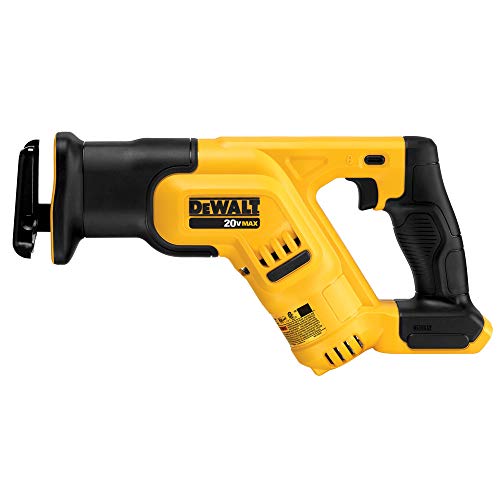
- Compact 14-inch design fits between studs
- 0–2,900 SPM variable-speed trigger
- LED work light and four-position clamp
Best For: Confined-space cutting and remodeling work
Best Complete Cordless Kit
SEESII Brushless Variable-Speed Reciprocating Saw

- Up to 3,500 RPM from a 200W brushless motor
- Two 4.0Ah batteries and fast charger included
- Six blades, LED light, and tool-free changes
Best For: DIYers wanting a ready-to-use cordless package
Heavy-Duty Corded Choice
DEWALT DWE305 12-Amp Reciprocating Saw

- 12-amp motor for demanding applications
- 0–2,900 SPM variable-speed trigger
- Four-position clamp for flush cutting
Best For: Heavy-duty corded cutting
Portable Battery-Compatible Pick
Cordless Saw for DEWALT 20V Batteries

- 0–3,000 SPM variable-speed control
- Includes eight reinforced blades
- Tool-free changes and rubberized grip
Best For: Portable cutting with compatible DEWALT batteries
Balanced Vibration-Control Option
SKIL 9206-02 7.5-Amp Reciprocating Saw
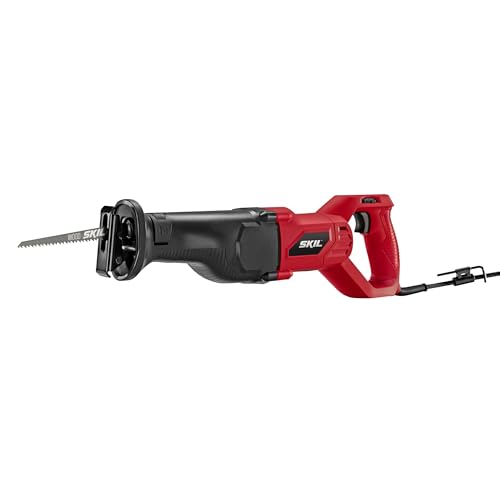
- 7.5-amp motor for general-purpose work
- Counterbalance helps reduce vibration
- Pivoting foot adds cutting stability
Best For: Controlled corded cutting and routine projects
Best Cordless Control
CRAFTSMAN V20 Variable-Speed Reciprocating Saw
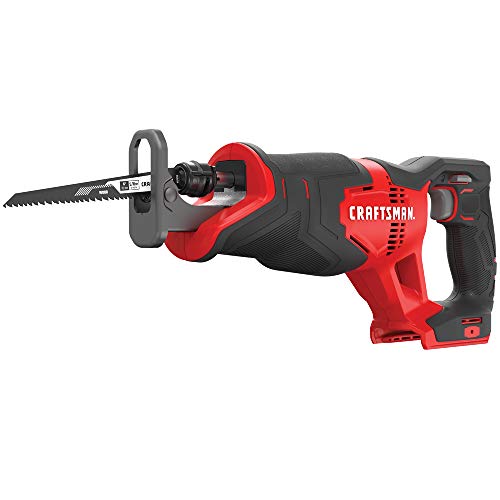
- 0–3,000 RPM variable-speed trigger
- Compact 14.5-inch cordless design
- Tool-free blade release
Best For: V20 system users needing a compact bare-tool saw
Best Adjustable Corded Option
WEN 3630 Variable-Speed Reciprocating Saw
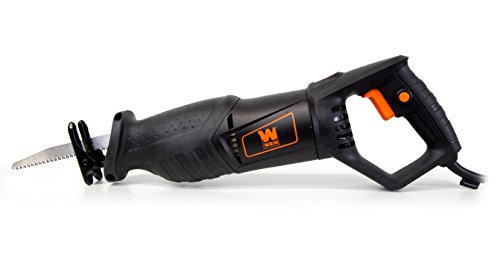
- 10-amp corded motor
- 0–2,800 SPM pressure-sensitive trigger
- Eight-position pivoting head
Best For: Workshop users wanting corded power and cutting-angle flexibility
Best Starter Kit
DEKOPRO 710W Variable-Speed Reciprocating Saw

- Up to 2,800 SPM variable speed
- 20mm stroke with adjustable front shoe
- Four included wood and metal blades
Best For: DIYers wanting a ready-to-use corded multi-material kit
Best Overall Control – DEWALT DCS380B 20V MAX Variable-Speed Reciprocating Saw
The DEWALT DCS380B is a strong all-around choice among reciprocating saws with variable speed, combining a 0–3,000 SPM trigger with a long 1-1/8-inch stroke. Its cordless 20V MAX platform, four-position blade clamp, and adjustable shoe make it versatile for general cutting work.
Best For: DIYers and contractors who already use DEWALT 20V MAX batteries and want a versatile bare-tool saw.
Pros:
- Variable-speed trigger provides control from 0 to 3,000 SPM.
- Four-position, tool-free blade clamp supports flush cuts and varied orientations.
- Pivoting adjustable shoe helps control cutting depth and extend blade life.
- Rubber overmolded grip and double oil-sealed shaft support comfortable, durable use.
Cons:
- Battery and charger are not included.
- The general-purpose design may be less convenient in very tight spaces than a compact saw.
With a useful combination of speed control, positional flexibility, and durability features, the DCS380B is a practical pick for routine demolition, remodeling, and wood-cutting tasks—provided you already have a compatible battery.
Best Corded Value – GALAX PRO 6.0-Amp Variable-Speed Reciprocating Saw
The GALAX PRO is a corded option for shoppers who want reciprocating saws with variable speed without relying on batteries. Its 6.0-amp motor delivers up to 3,000 SPM, while the included wood and metal blades support a range of home and job-site cutting tasks.
Best For: Home renovators and contractors who prefer consistent corded power for wood, metal, PVC, and demolition work.
Pros:
- 6.0-amp copper motor reaches up to 3,000 SPM.
- Quick-release chuck enables tool-free blade changes.
- Includes two wood blades and three metal blades.
- Pivoting shoe, lock-on button, and heat-dissipation features support extended use.
Cons:
- Corded operation limits mobility compared with cordless models.
- Includes a one-year warranty, shorter than some competing options listed here.
This saw makes sense when uninterrupted electrical power matters more than portability. Its included blades and broad material compatibility also make it a convenient starting kit for DIY repairs and general cutting.
Best for Tight Spaces – DEWALT DCS387B Compact 20V MAX Reciprocating Saw
The DEWALT DCS387B stands out among reciprocating saws with variable speed when access is limited. Its compact 14-inch design fits between studs and in confined areas, while the 0–2,900 SPM trigger, LED light, and pivoting shoe add control and visibility.
Best For: Remodelers, electricians, plumbers, and DIYers making cuts between studs or in other confined spaces.
Pros:
- Compact 14-inch body is designed for tight work areas.
- Variable-speed trigger adjusts from 0 to 2,900 SPM.
- Four-position blade clamp supports flush cuts and tool-free changes.
- Built-in LED helps illuminate dark cutting areas.
Cons:
- Bare-tool configuration does not include a battery or charger.
- Its 2,900 SPM maximum is slightly lower than the fastest models in this roundup.
If maneuverability is your priority, the DCS387B is an especially practical choice. It retains useful variable-speed and blade-positioning features while reducing the bulk that can make confined cuts difficult.
Best Complete Cordless Kit – SEESII Brushless Variable-Speed Reciprocating Saw
The SEESII is a ready-to-use cordless choice among reciprocating saws with variable speed, pairing a brushless 200W motor with speeds up to 3,500 RPM. It includes two 4.0Ah batteries, a fast charger, six blades, a storage bag, and work accessories for cutting wood, PVC, and metal.
Best For: DIY users who want a complete cordless kit with batteries, blades, lighting, and accessories included.
Pros:
- Brushless motor provides variable speed up to 3,500 RPM.
- Two 4.0Ah batteries and a fast charger help reduce downtime.
- Includes six blades, storage bag, gloves, and safety glasses.
- Tool-free blade changes, LED light, and safety lock add convenience.
Cons:
- Its listed 21V battery system is less established than major-brand platforms.
- The complete kit is heavier overall than the bare-tool options.
The SEESII offers strong convenience for buyers starting from scratch. Its included batteries and accessories make it more immediately usable than bare tools, while the high speed and brushless motor suit varied household cutting projects.
Heavy-Duty Corded Choice – DEWALT DWE305 12-Amp Reciprocating Saw
The DEWALT DWE305 is a strong corded option for shoppers seeking reciprocating saws with variable speed. Its 12-amp motor, 0–2,900 SPM range, and 1-1/8-inch stroke are suited to demanding cutting work, while the trigger provides immediate speed control.
Best For: Heavy-duty cutting where continuous corded power and blade-position versatility matter.
Pros:
- 12-amp motor is designed for heavy-duty applications.
- Variable-speed trigger supports instant speed adjustment.
- Four-position blade clamp enables flush cuts and added versatility.
- Lever-action clamp allows tool-free blade changes.
Cons:
- Corded design requires access to a power outlet.
- At 8 pounds, it may feel heavy during extended overhead work.
Choose this model if cutting power and control take priority over portability. The corded format and substantial weight are trade-offs for its high-current motor and flexible blade positioning.
Portable Battery-Compatible Pick – Cordless Saw for DEWALT 20V Batteries
This cordless model is a practical choice among reciprocating saws with variable speed when you already use compatible DEWALT 20V lithium-ion batteries. It offers a 0–3,000 SPM range, tool-free blade changes, and eight reinforced blades for wood, plastic pipe, and metal work.
Best For: Portable cutting tasks for users with compatible DEWALT 20V batteries.
Pros:
- Variable speed from 0 to 3,000 SPM.
- Compatible with listed DEWALT 20V lithium-ion batteries.
- Includes eight reinforced blades for several materials.
- Rubberized grip and one-handed design support comfortable handling.
Cons:
- Battery and charger are not included.
- Battery compatibility is limited to the supported DEWALT 20V platform.
This bare-tool option makes the most sense for shoppers already invested in the compatible battery system. Its cordless design improves mobility, while the included blade assortment expands its usefulness across common cutting materials.
Balanced Vibration-Control Option – SKIL 9206-02 7.5-Amp Reciprocating Saw
The SKIL 9206-02 combines a 7.5-amp corded motor with variable-speed operation for controlled general-purpose cutting. Its counterbalance, pivoting foot, and ergonomic handle are useful additions for shoppers comparing reciprocating saws with variable speed for stability and comfort.
Best For: General-purpose corded cutting with added vibration control and support.
Pros:
- 7.5-amp motor provides ample cutting power.
- Tool-less blade change simplifies blade swaps.
- Counterbalance helps control vibration.
- Pivoting foot adds stability on tougher materials.
Cons:
- Corded design limits mobility compared with cordless models.
- Its 7.5-amp motor is less powerful on paper than the 12-amp DEWALT option.
For buyers who value steadier handling over maximum motor output, this SKIL offers a sensible balance. The metal gear housing, counterbalance, and pivoting foot make it a practical fit for routine cutting jobs.
Best Cordless Control – CRAFTSMAN V20 Variable-Speed Reciprocating Saw
For shoppers comparing reciprocating saws with variable speed, the CRAFTSMAN V20 stands out as a compact cordless option with a pressure-sensitive trigger ranging from 0 to 3,000 RPM. Its 1-inch stroke, tool-free blade release, and 14.5-inch size make it practical for general cutting and tighter spaces.
Best For: DIYers who already use the CRAFTSMAN V20 battery system and want a maneuverable bare-tool saw.
Pros:
- Full variable-speed trigger offers control across different materials.
- Compact 14.5-inch design suits cutting in tight spaces.
- Tool-free blade release enables quick blade changes.
- Contoured overmolded handle is designed for comfort.
Cons:
- Battery and charger are sold separately.
- Included package is a bare tool with one 6-inch reciprocating blade.
This is a sensible pick when cordless convenience and compact handling matter most. The 3,000-RPM ceiling provides useful speed, while the variable trigger helps moderate it for more controlled cuts.
Best Adjustable Corded Option – WEN 3630 Variable-Speed Reciprocating Saw
The WEN 3630 is one of the more flexible reciprocating saws with variable speed for users who prefer corded power. Its 10-amp motor, pressure-sensitive trigger, and eight-position pivoting head support controlled cutting across wood and metal projects.
Best For: Home workshops and DIY projects that benefit from continuous corded power and an adjustable cutting position.
Pros:
- 10-amp motor delivers up to 2,800 strokes per minute.
- Pressure-sensitive trigger adjusts speed from 0 to 2,800 SPM.
- Pivoting head offers eight stops at 45-degree intervals.
- Includes one metal blade, one wood blade, and a two-year warranty.
Cons:
- Corded operation limits mobility compared with cordless models.
- At 7.7 pounds, it is heavier than the listed CRAFTSMAN option.
Choose the WEN when sustained corded operation and head-position flexibility are more important than portability. The trigger and pivoting head give it a useful range for varied cutting tasks.
Best Starter Kit – DEKOPRO 710W Variable-Speed Reciprocating Saw
The DEKOPRO combines variable speed up to 2,800 SPM with a 20mm stroke and a tool-free quick-change chuck. For buyers seeking reciprocating saws with variable speed, its included wood and metal blades make it ready for mixed-material DIY work.
Best For: DIY users who want a corded starter bundle for wood, metal, and PVC cutting.
Pros:
- 710W motor provides variable speed up to 2,800 SPM.
- 20mm stroke and stated cutting depths support substantial cuts.
- Quick-change chuck makes switching blades convenient.
- Includes two wood blades, two metal blades, and a hex key.
Cons:
- Corded design requires access to a power outlet.
- The notes specify compatibility with 230V–240V UK homes.
The DEKOPRO is appealing when included accessories and multi-material capability are priorities. Its trigger-lock system can help maintain a steady speed during longer cutting sessions, while the adjustable front shoe adds positioning flexibility.
How We Picked the Best Reciprocating Saws with Variable Speed
We compared these Reciprocating Saws with Variable Speed by looking at power source, stated strokes per minute, motor capacity, trigger control, stroke design, blade-change convenience, ergonomics, and included accessories. We also considered whether each saw is best suited to occasional household repairs, renovation work, pruning, or frequent demolition.
Specifications can vary by configuration, and cordless models may be sold as bare tools without a battery or charger. Check the listing carefully before ordering, especially if you do not already own compatible batteries.
Quick Comparison
| Best For | Look For | Recommended Type |
|---|---|---|
| Heavy demolition | Higher amperage or a robust 20V system | 12-amp corded or full-size cordless |
| Portable remodeling | Compact body and variable trigger | Compact cordless model |
| Long cutting sessions | Continuous power and less battery management | Corded saw |
| Occasional home use | Moderate power and included blades | Entry-level corded or kit cordless saw |
| Pruning and outdoor work | Battery portability and suitable blades | Cordless saw with spare battery |
Key Buying Factors for Reciprocating Saws with Variable Speed
Power and Stroke Rate
Amperage is useful for comparing corded tools, while cordless performance depends on the battery platform, motor, and load management. A maximum rate around 2,800 to 3,000 strokes per minute is common, but speed alone does not determine cutting performance. A longer stroke can remove material faster, while a shorter stroke may feel easier to control.
Trigger Control and Handling
A variable-speed trigger lets you begin slowly and reduce vibration or blade wandering. Look for a comfortable grip, balanced weight, and a pivoting or adjustable shoe that can support the workpiece. Compact designs are easier to use in tight spaces, while full-size tools may provide better leverage for demanding cuts.
Corded Versus Cordless Operation
Corded saws are practical for workshops and extended demolition because they provide uninterrupted power. Cordless models are more convenient on roofs, outdoors, or in unfinished spaces, but runtime, battery cost, and tool-only packaging matter. If you already use a compatible battery system, a bare tool can be a cost-effective choice.
Blade Changes and Accessories
Tool-free blade clamps save time when switching between wood- and metal-cutting blades. Included blades add value for occasional users, but verify their quality and make sure replacement blades are easy to find. For metal, use the correct fine-tooth blade; for wood, use a blade designed for the material and thickness.
Who Should Buy Which Reciprocating Saws with Variable Speed?
Choose a high-powered corded model if you expect frequent demolition, long cuts, or work near a reliable outlet. A full-size cordless saw is a better fit for contractors and serious DIY users who need mobility and already own the matching battery platform. Pick a compact cordless model for plumbing, electrical, remodeling, and overhead work where maneuverability matters most.
For light repairs, pruning, and occasional projects, an affordable corded saw or bundled cordless kit can provide useful versatility without the cost of a professional platform. Whichever model you choose, wear eye and hearing protection, secure the material, use the correct blade, and let the saw do the cutting rather than forcing it through the workpiece.