
The right garage flooring can make a home workshop safer, easier to clean, and more comfortable during long projects. Interlocking tiles also let you upgrade a work area without committing to a permanent floor coating.
This roundup compares 10 options across hard plastic, drainage, rubber-like, and cushioned designs so you can match coverage, load handling, comfort, and cleanup needs to your workspace.
Best 10 Garage Floor Tiles for Home Workshops Picks for 2026
Workshop-Protective
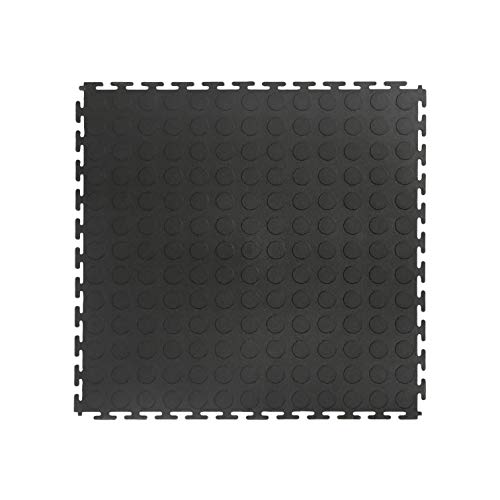
- 54 sq. ft. per 24-pack
- Resists oils, solvents, and brake fluids
- Repositionable, glue-free installation
Best For: Flexible garage and workshop protection
Drainage-Focused

- 55 interlocking 12-inch tiles
- Raised 0.6-inch drainage profile
- Slip-resistant PP construction
Best For: Wet garages and high-traffic work areas
Heavy-Duty Rolling
SnapLock GarageDeck Coin Tiles

- 48 sq. ft. per pack
- Over 40,000-lb rolling-load capacity
- Tool-free PowerLock installation
Best For: Vehicle garages and heavy rolling equipment
Cushioned Workshop-Gym

- 48 sq. ft. of 24-inch tiles
- Rubber top with EVA foam cushioning
- Waterproof and noise-reducing design
Best For: Workshops that double as home gyms
Heavy-Duty Garage Pick
VEVOR 12-Inch Interlocking Tiles

- Supports up to 5,500 pounds
- Thick, waterproof polypropylene construction
- 50 tiles with tool-free installation
Best For: Vehicle garages and demanding home workshops
Outdoor Access Pick
Modular Heavy-Duty Ground Mats

- Rated for about 6,613 pounds per tile
- Protects grass while dispersing vehicle pressure
- Flexible interlocking outdoor layout
Best For: Workshop driveways, parking, and trailer access
Workshop Comfort Pick
Baselayer Performance TPE Tiles

- Firm, cushioned half-inch TPE surface
- No-odor material with non-slip texture
- Cord channels and secure interlocking fit
Best For: Multi-use garages and home gym workshops
Best Drainage Pick
VEVOR Interlocking Drainage Mat

- Heavy-duty polypropylene for garage traffic
- 15 mm thickness supports drainage and loads
- 55 washable, customizable interlocking tiles
Best For: Wet workshops and vehicle areas needing slip-resistant drainage
Best Cushioned Surface
AIRHOP Rubber-Top EVA Foam Tiles

- Rubber and EVA dual-layer cushioning
- 12 large tiles cover 48 square feet
- Helps reduce workout noise and vibration
Best For: Garage workshops that double as home gyms
Best Tool-Free Installation
Jocoevol Self-Draining Floor Tiles

- Installs without glue or tools
- 17 mm support pegs promote drainage
- 60 washable polypropylene tiles
Best For: DIY garage workshops needing quick, water-resistant flooring
Workshop-Protective – VersaTex Raised Coin Tiles
For garage floor tiles for home workshops, the VersaTex 18-inch interlocking tiles offer a non-permanent, protective surface that can handle vehicle traffic, workshop messes, and repositioning as your space changes. The waterproof, puncture-resistant construction works over several hard-floor types without adhesive.
Best For: Workshops, garages, and multipurpose utility spaces needing chemical-resistant, repositionable coverage.
Pros:
- Heat-resistant and puncture-proof for garages and workshops.
- Resists oils, brake fluids, solvents, and household chemicals.
- Waterproof, non-porous, and resistant to dents, tears, and compression.
- One 24-pack covers 54 square feet and requires no glue or tape.
Cons:
- The 18-inch tile format may require more seams than larger tiles.
- Only black tiles are included in this pack; a checkered layout requires purchasing another color.
- The limited warranty covers replacement for manufacturing defects only.
Choose these when flexible installation and broad spill resistance matter more than a permanent floor treatment. They are especially practical for spaces that may need to be rearranged later.
Drainage-Focused – VEVOR Modular Drainage Mats
Among garage floor tiles for home workshops, the VEVOR drainage mats stand out for wet areas where runoff and traction are priorities. Their 15 mm polypropylene design creates a raised, interlocking surface intended to clear water while supporting frequent vehicle traffic.
Best For: Wet garages, repair areas, gardens, and other spaces where drainage and slip resistance are important.
Pros:
- Raised 0.6-inch profile helps clear garage water buildup.
- High-strength PP construction is designed for heavy loads and vehicle traffic.
- Interlocking installation requires no complex tools.
- Can be rinsed clean with water and arranged in customizable layouts.
Cons:
- The drainage design may be less comfortable for prolonged standing than cushioned flooring.
- The 12-inch tiles create more joints across a floor than larger modules.
- No manufacturer warranty is listed.
This is a practical pick for workshops that regularly deal with water, mud, or wet vehicle areas. Its drainage-focused construction is less about soft cushioning and more about keeping the walking surface elevated and secure.
Heavy-Duty Rolling – SnapLock GarageDeck Coin Tiles
For garage floor tiles for home workshops that must tolerate rolling equipment and vehicle loads, SnapLock GarageDeck tiles provide a durable copolymer surface with a coin pattern for traction. The PowerLock system is designed for quick, tool-free assembly and easy maintenance.
Best For: Vehicle garages and workshops with rolling loads, oil exposure, and frequent cleanup.
Pros:
- Supports rolling loads over 40,000 pounds.
- Resists oil, grease, petroleum, antifreeze, and most household chemicals.
- PowerLock interlocking installation needs no tools, glue, or extra hands.
- Coin-top texture provides traction, while the surface is easy to mop or vacuum.
Cons:
- The 48-pack provides 48 square feet, so larger workshops may need multiple packs.
- Square edges may require more precise layout planning at the perimeter.
- The supplied details list a warranty duration of “12” without specifying the unit.
GarageDeck is a strong match for demanding workshop floors where rolling capacity and chemical resistance take priority. Its modular format also makes a DIY installation or future color layout straightforward.
Cushioned Workshop-Gym – AIRHOP Dual-Layer Mats
For garage floor tiles for home workshops that double as exercise spaces, AIRHOP combines a textured rubber top with high-density EVA foam for cushioning, shock absorption, and noise reduction. The larger 24-inch interlocking tiles cover 48 square feet and can be detached or expanded as needed.
Best For: Home workshops or garages that also house weight equipment, treadmills, or workout areas.
Pros:
- Dual-layer rubber and EVA construction provides cushioning and shock absorption.
- Designed to protect floors from weights, equipment, scratches, scuffs, and dents.
- Larger 24-inch tiles assemble into 48 square feet of coverage.
- Waterproof surface is easy to wipe clean and helps minimize noise and vibration.
Cons:
- The cushioned EVA layer is geared toward gym use rather than maximum vehicle-load performance.
- Only 12 tiles are included, so coverage is limited to 48 square feet per set.
- The supplied room-type information focuses on home gyms, not dedicated vehicle bays.
AIRHOP makes the most sense when your workshop needs to serve as a fitness area too. Its comfort and vibration control are useful around exercise equipment, while the interlocking design keeps the layout adaptable.
Heavy-Duty Garage Pick – VEVOR 12-Inch Interlocking Tiles
For home workshops that need durable garage floor tiles, the VEVOR set combines a thick polypropylene build with a straightforward interlocking installation. Its diamond-textured surface and waterproof construction suit garages, basements, and repair areas where vehicle protection and easy cleanup matter.
Best For: Home workshops, garages, repair shops, and areas used by heavy vehicles.
Pros:
- Supports loads up to 5,500 pounds.
- Thick 0.53-inch polypropylene construction resists wear.
- 50 12-by-12-inch tiles offer broad coverage.
- Tool-free interlocking setup and washable surface simplify maintenance.
Cons:
- The upgraded 2024 interlocking system is not compatible with tiles purchased before 2024.
- Square edges may require additional planning around room borders.
Choose this set when load capacity and workshop durability are higher priorities than cushioning. The non-slip, textured finish and simple installation make it a practical foundation for vehicle-focused workspaces.
Outdoor Access Pick – Modular Heavy-Duty Ground Mats
Although designed primarily for outdoor ground protection, these modular tiles can help create stable access or parking areas near a home workshop. Their permeable, interlocking design distributes vehicle pressure while allowing flexible layouts for driveways, trailers, and temporary work areas.
Best For: Outdoor workshop approaches, parking areas, trailer access, and grass-protection projects.
Pros:
- Each tile is rated for approximately 6,613 pounds.
- Interlocking modules can be arranged for different shapes and site sizes.
- Permeable design helps protect lawns and reduce surface runoff.
- Polypropylene construction resists compression, wear, and weather.
Cons:
- The 10-piece set provides less enclosed-floor coverage than a dedicated garage tile system.
- At 1.18 inches thick, the mats are relatively substantial for indoor use.
- They are intended for outdoor ground and lawn protection rather than finished workshop flooring.
This set makes the most sense when your workshop needs a durable outdoor surface or vehicle route. For a fully enclosed garage, consider a product specifically designed for interior flooring and easier room-to-room coverage.
Workshop Comfort Pick – Baselayer Performance TPE Tiles
For home workshops that combine equipment use with exercise or standing work, these TPE garage floor tiles provide a firmer, rubber-like surface without foam construction or odor. The interlocking 12-tile set also includes under-tile cord channels for a cleaner, safer layout.
Best For: Multi-use garages, home gyms, weight areas, and workshops needing cushioned, low-odor flooring.
Pros:
- Durable half-inch TPE offers cushioning for weights and high-impact activity.
- No-odor, non-toxic material has a rubber-like feel without foam.
- Precision interlocking tabs create a flush, stable fit.
- Built-in cord channels help reduce trip hazards.
Cons:
- The 12-tile pack covers 30 square feet.
- Edges and corners are sold separately.
- Care instructions call for wiping with a damp cloth rather than hose cleaning.
This is a strong choice when comfort, sound absorption, and cord management matter alongside basic workshop durability. It is less oriented toward large vehicle loads than the heavy-duty polypropylene garage tile option.
Best Drainage Pick – VEVOR Interlocking Drainage Mat
For garage floor tiles for home workshops where water, vehicle traffic, and slip resistance matter, this VEVOR modular drainage mat is a practical option. Its 12-by-12-inch polypropylene tiles interlock into a washable surface, while the 0.6-inch thickness helps elevate water away from the floor.
Best For: Wet garage work areas, vehicle spaces, and workshops needing drainage under frequent traffic.
Pros:
- High-strength polypropylene is designed to withstand frequent vehicle traffic.
- Fifteen-millimeter thickness supports drainage and load-bearing performance.
- Interlocking 12-inch tiles allow customizable layouts and rinse-clean maintenance.
Cons:
- The manufacturer recommends adding screws for enhanced long-term stability.
- This is a drainage surface rather than a cushioned anti-fatigue mat.
Choose this model when moving water away from a garage workshop is a priority. The 55-piece set offers flexible coverage, though securing the tiles may be worthwhile in demanding installations.
Best Cushioned Surface – AIRHOP Rubber-Top EVA Foam Tiles
These AIRHOP tiles suit garage floor tiles for home workshops that also serve as workout spaces. The 24-by-24-inch tiles combine a textured recycled-rubber top with high-density EVA foam to provide cushioning, shock absorption, and protection from equipment-related scuffs and dents.
Best For: Home workshops or garage gyms where cushioning, equipment protection, and noise reduction are useful.
Pros:
- Dual-layer rubber and EVA construction provides a tough, cushioned surface.
- Twelve large interlocking tiles cover 48 square feet.
- Waterproof material and damp-cloth cleaning simplify maintenance.
- Designed to reduce noise and vibration from workouts and equipment.
Cons:
- The foam-based construction may be less suitable for drainage-focused work areas.
- The 12-tile set offers a fixed 48-square-foot coverage area.
This is the strongest fit when comfort and impact protection matter more than water management. Its large tiles can make installation efficient, while the rubber top is appropriate for demanding home-gym equipment.
Best Tool-Free Installation – Jocoevol Self-Draining Floor Tiles
For garage floor tiles for home workshops that need quick installation and water management, Jocoevol’s 12-by-12-inch polypropylene tiles are easy to assemble without glue or tools. Support pegs create space beneath the surface for drainage, while the non-slip design suits indoor or outdoor work areas.
Best For: DIY workshop floors, garages, and multipurpose spaces where tool-free assembly and drainage are priorities.
Pros:
- Interlocking edges install without glue or tools.
- Seventeen-millimeter support pegs promote efficient drainage.
- Polypropylene construction offers non-slip, UV-resistant, washable performance.
- Sixty tiles provide flexible coverage for indoor or outdoor spaces.
Cons:
- The 12-inch tile format creates more seams than larger tiles.
- Its drainage design does not provide the cushioning of foam flooring.
Jocoevol is a practical choice for a workshop floor that may encounter water, dirt, or spills. The tool-free connection and rinse-clean surface make it especially convenient for DIY installations and frequently cleaned areas.
How We Picked the Best Garage Floor Tiles for Home Workshops
We evaluated these Garage Floor Tiles for Home Workshops by comparing construction, surface texture, interlocking design, drainage potential, thickness, coverage, and intended use. We also considered whether each style is better suited to vehicle areas, workbenches, exercise equipment, or general utility spaces.
Hard polypropylene tiles typically prioritize durability, ventilation, and easy cleanup. Rubber-like or foam-backed designs add cushioning for standing and exercise, while drainage tiles are useful where water, snow, or wash-down residue may collect. Because installation conditions vary, check the manufacturer’s load guidance, dimensions, and recommended subfloor before buying.
Quick Comparison
| Tile type | Best for | Main advantage | Watch for |
|---|---|---|---|
| Raised coin plastic | Garages and work areas | Ventilation and straightforward cleaning | Can feel firm underfoot |
| Drainage polypropylene | Wet or frequently cleaned spaces | Allows water and debris to move below the surface | May require an edge or threshold solution |
| Rubber-like TPE | Benches, tools, and standing work | More comfortable than hard plastic | Usually costs more per square foot |
| Foam-backed exercise tile | Fitness corners and light-duty areas | Excellent cushioning | Can compress or dent under heavy equipment |
Key Buying Factors for Garage Floor Tiles
Material and Load Support
Choose rigid plastic or TPE for rolling tool chests, workshop traffic, and heavier equipment. Foam-backed tiles are more comfortable but are generally better for exercise equipment and standing areas than concentrated loads.
Drainage and Cleanup
Open or raised drainage designs help move water, melted snow, and spills away from the walking surface. For dry workshops, a mostly closed coin or textured surface may be easier to sweep and more comfortable for small parts.
Coverage and Layout
Measure the usable area, then account for cuts around walls, posts, cabinets, and door tracks. Smaller 12-inch tiles simplify layout changes, while larger tiles can reduce seams across broad, open sections.
Grip, Comfort, and Edges
Look for a textured, non-slip surface, especially near vehicles or wet entrances. Interlocking tiles should fit tightly, but perimeter ramps, trim, or a transition strip can reduce trip hazards and help keep sections in place.
Who Should Buy Which Garage Floor Tiles for Home Workshops?
Buy rigid raised or coin-pattern plastic tiles if your priority is a durable, easy-care workshop floor for tools, storage, and vehicle-related work. Choose drainage mats for garages that regularly encounter water, snow, or wash-down residue. TPE tiles are a strong middle ground for people who stand for long periods and still need better resistance to dents than soft foam. Select thicker foam-backed exercise tiles for a dedicated fitness corner, stretching area, or lighter-duty workspace where cushioning matters most.
Before ordering, confirm the total square-foot coverage, tile thickness, color availability, and compatibility with your floor condition. A level, clean concrete surface will produce the best fit and reduce movement between interlocking sections.